This post contains affiliate links, and I may earn a small commission if you make a purchase through them. These earnings help me maintain this website and continue creating more helpful content. Thank you for supporting my work. ❤️
What the Long Hair Village Can Teach Black Women About Healthy Hair & Protective Styles
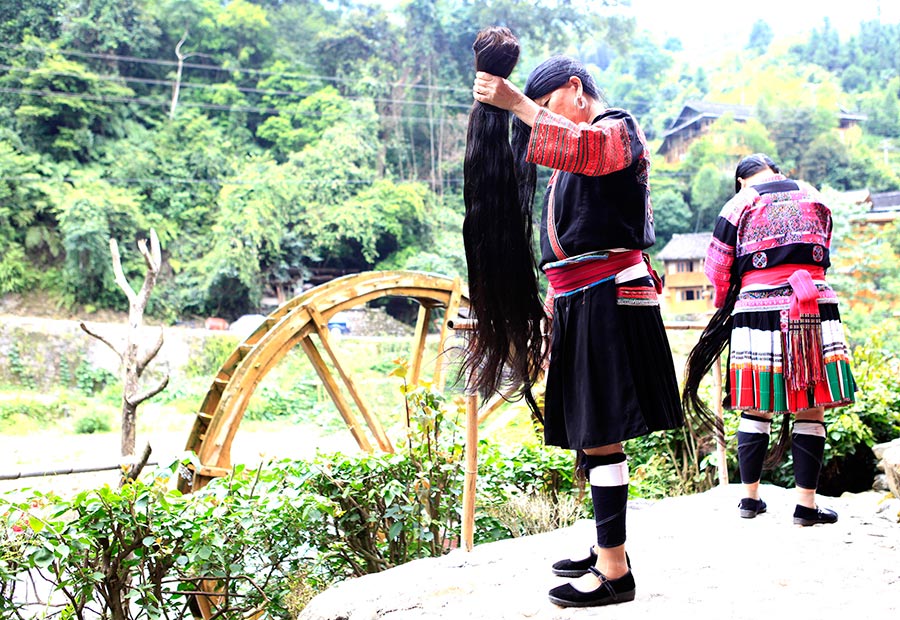
When people talk about the famous Long Hair Village in China, the conversation usually focuses on one thing: extremely long, shiny hair.
But if you look beyond the headlines, there’s something much more relevant—especially for Black women navigating natural hair, protective styles, and wigs.
This village is not just about long hair. It’s about how hair is protected, preserved, and maintained over a lifetime. And that’s where the real value is.
It’s Not Just Length—It’s Retention
In the natural hair community, one truth is already well known: hair growth is one thing, but length retention is everything.
The women of Huangluo are often described as having hair over 6 feet long. But what’s more important is how they keep it healthy for decades. Their routines focus heavily on:
- Low manipulation
- Protective styling
- Minimal chemical exposure
- Consistent, simple routines
If that sounds familiar, it should. These are the same principles behind modern Black hair care.
In other words, what many people call a “secret” is actually something Black women have been practicing for years—just in a different cultural form.
Protective Styling—Before It Had a Name
One of the most interesting things about Huangluo is how hair is worn.
Instead of leaving hair loose and exposed all the time, it is often wrapped, coiled, or styled into structured looks that protect the ends. That’s a key detail.
Because for textured hair, ends are the oldest and most fragile part of the strand. Protecting them is essential for retaining length.
This is exactly why protective styles are so popular today, including:
- Wigs
- Braids
- Twists
- Buns
- Updos
The difference is that in Huangluo, this approach developed naturally over generations. In today’s world, it has evolved into an entire beauty category.
What This Means for Wigs and Extensions
If you wear wigs or extensions, there’s a powerful takeaway here.
Protective styling is not just about appearance—it’s about giving your natural hair a break.
Wigs, especially glueless wigs and low-tension installs, can help:
- Reduce daily manipulation
- Protect fragile ends
- Limit heat and styling damage
- Support long-term growth goals
This aligns closely with the same philosophy seen in Huangluo: keep the hair protected, reduce stress, and let time do the work.
In that sense, modern wigs are not just a beauty tool—they are part of a long tradition of hair preservation strategies.
The Rice Water Conversation—What Still Makes Sense Today
Rice water is often described as the “secret” behind the village’s hair. And yes, it’s still widely used today, including in parts of the natural hair community.
Rice water contains amino acids and nutrients that may help improve how hair feels—making it smoother, stronger, and easier to manage.
But it’s important to keep expectations realistic.
Rice water is not a miracle growth solution. Overuse can even lead to dryness or protein overload for some hair types.
If you want to try it, the best approach is:
- Use it occasionally (not daily)
- Follow up with moisture
- Pay attention to how your hair responds
Think of it as a supportive treatment—not the foundation of your entire routine.
Consistency Over Complexity
One of the biggest lessons from Huangluo is not about a single ingredient or technique.
It’s about consistency.
The routines are simple, repeated over time, and focused on maintenance rather than constant change. That’s something many people struggle with today, especially with the endless stream of new products and trends.
Healthy hair doesn’t always come from doing more. Often, it comes from doing less—but doing it consistently.
Why This Story Matters for Black Women Today
The reason this story resonates is not because the hair is long or “different.” It’s because the core principles are familiar.
Black hair care has always emphasized:
- Protection
- Moisture
- Low manipulation
- Patience
Huangluo reflects those same ideas in another cultural context.
And maybe that’s the real takeaway.
There is no single universal “secret” to long, healthy hair. But across different cultures, the same patterns keep showing up: protect the hair, reduce damage, and stay consistent.
Whether you’re wearing your natural hair, rocking a protective style, or installing a wig, those principles still apply.
And that’s something worth holding onto—no matter what your routine looks like.
Related Posts:
- Top 10 Lace Front Wigs on AliExpress
- Best 10 Human Hair Extensions on AliExpress 2026
- Best AliExpress Human Hair Wig Sellers – Honest Reviews & Top Picks

- Best AliExpress Hair Vendors You Must Try in 2026

- Amazon vs AliExpress, Which Wig Sellers Are Better?

- AliExpress Dropship Hair Guide 2026 (Updated & Complete Edition)