This post contains affiliate links, and I may earn a small commission if you make a purchase through them. These earnings help me maintain this website and continue creating more helpful content. Thank you for supporting my work. ❤️
An estimated one in five Black women in the United States wears a wig made in Xuchang, a city in China’s Henan province.
Known as the world’s wig capital, Xuchang has more than 4,000 businesses linked to the hair products industry and employs roughly 300,000 people. Annual exports exceed RMB 20 billion, and the city supplies more than 60% of global wig demand.
Yet much of that manufacturing capacity remains behind the scenes. Factories produce for overseas brands, earning processing fees while their customers control distribution, pricing and consumer relationships.
UNice offers a different model.
The company surpassed RMB 1.2 billion in annual sales in 2024, with a sales network spanning more than 120 countries. Its growth shows how a manufacturer from an established industrial cluster can build a consumer brand by combining product development, direct distribution and digital marketing.
From a Five-Person Operation to a Consumer Brand
UNice founder Hua Yunlong grew up in Xuchang and began working in local wig factories as a teenager. He saw the limitations of contract manufacturing firsthand: thin margins, little brand recognition and limited influence over the market.
In 2011, he founded Longqi E-Commerce with five employees, initially selling wigs wholesale through AliExpress.
By 2015, the customer mix was changing. More individual shoppers were ordering one or two wigs rather than buying in bulk. Their questions focused on lace construction, hair quality and how natural the hairline looked.
Hua recognized an opportunity to move from wholesale supply to consumer retail. He launched UNice as an independent brand and built a direct-to-consumer website.
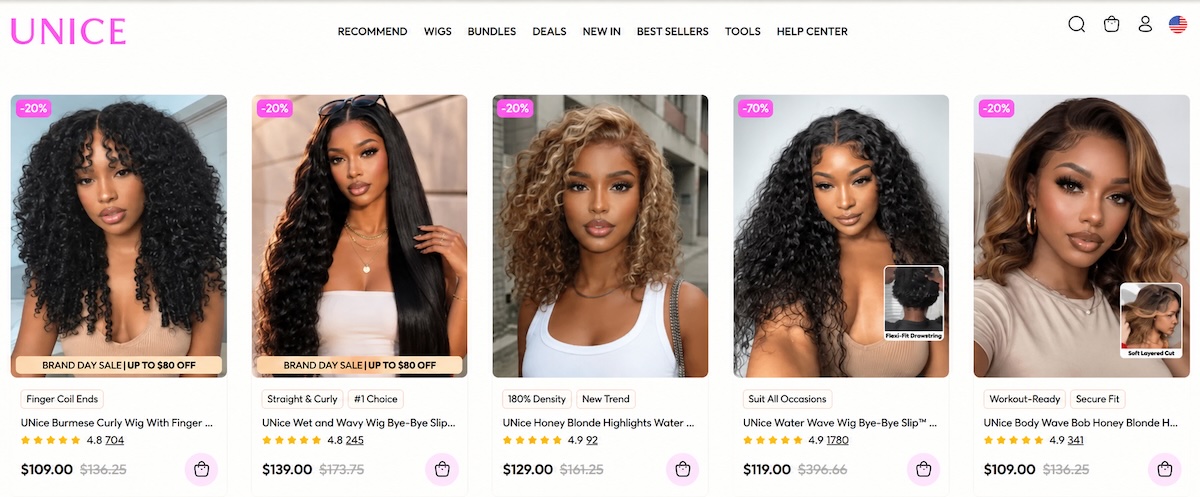
UNice positioned itself in the mid-to-premium segment, offering human-hair products that could be dyed and heat-styled, typically priced between $100 and $400.
It also invested in features that made wigs easier to wear: “Bye-Bye Knots” technology to reduce the visibility of knots, pre-cut lace and pre-plucked hairlines. These treatments moved preparation work from the customer’s home into the factory.
Distribution expanded through its website, Amazon and social media. Beginning in 2018, the company opened physical stores in markets including California and New York, eventually building a six-store network.
Four decisions helped drive that expansion.
1. Turn Customer Feedback into Product Improvements
UNice’s product development centers on how customers actually wear wigs.
A video of an everyday creator wearing a wig on a date highlighted a basic buying priority: customers wanted hair that looked like their own. Technical specifications mattered, but the desired outcome was a convincing, natural appearance.
That insight informed practical changes. Traditional lace wigs can require trimming, hairline customization and adhesive application—a process that may take 30 minutes to an hour. UNice brought more of that work into production through glueless designs, pre-cut lace and prepared hairlines.
The benefit was concrete: less preparation, easier installation and a more accessible product for first-time users.
Its marketing process also connects testing with customer feedback. In-house livestreams help test products; audience responses inform creator content; paid advertising expands the reach of effective material; and livestreams help convert interest into purchases.
This gives the company a feedback loop between product use, content and sales.
2. Use Social Media to Reach Customers Directly
When Hua entered the market, Korean American businesses held strong positions across North American wig branding, wholesale and retail distribution.
Social media gave UNice another route to customers. A useful installation tutorial or convincing wear test could generate demand without first securing shelf space through a distributor.
The brand built a YouTube audience of approximately 1.29 million subscribers and an Instagram following exceeding 800,000.
Rather than relying exclusively on celebrity influencers, UNice worked with hundreds of specialist creators whose audiences ranged from tens of thousands to hundreds of thousands of followers. These partnerships placed products within communities where viewers already trusted the creator’s experience and recommendations.
The company reported returns of roughly five dollars for every dollar invested in these collaborations.
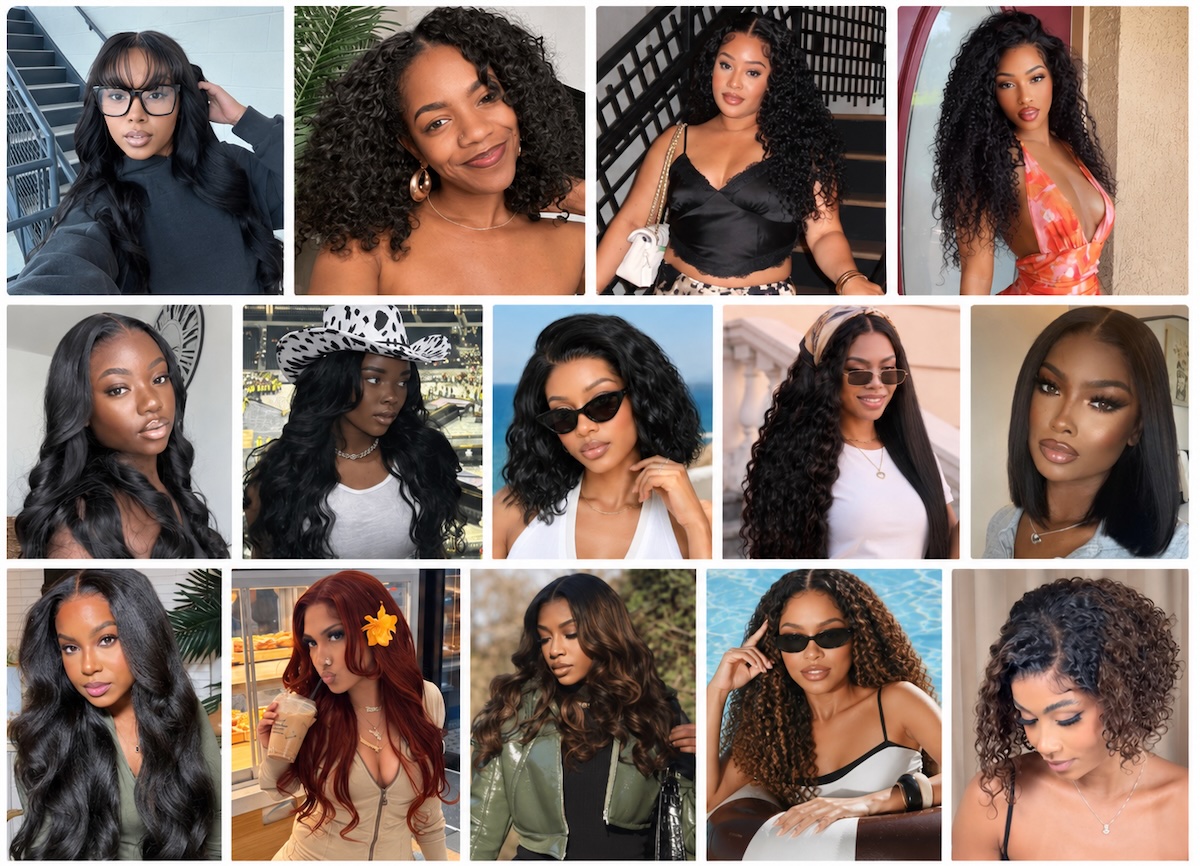
Black models feature prominently in its content, reflecting its core audience of Black women in North America. Tutorials, styling demonstrations and close-up product footage address questions directly relevant to those customers.
3. Reduce the Risk of Buying a Wig Online
Wigs are relatively expensive products whose value depends heavily on appearance, fit and everyday wear.
Shoppers want to know whether the hair looks unnaturally shiny, whether it is manageable and whether the delivered product will match the images online.
UNice addresses those concerns through detailed product demonstrations. Its content shows hair texture, lace, hairlines and installation rather than relying solely on polished final looks. Product listings specify hair type, density and cap size, alongside customer photos and videos.
Physical stores add another layer of reassurance. Locations in cities including New York and Houston allow customers to inspect products and try them on before purchasing.
For a first-time buyer, that combination of online discovery and in-person evaluation can reduce uncertainty about fit, quality and appearance.
4. Apply AI to Advertising Efficiency
As the business scaled, UNice added automated advertising tools to improve campaign performance.
In the first quarter of 2025, it worked with advertising technology company Criteo and adopted the company’s GO! advertising system. The system uses AI to identify likely buyers, tailor advertising and adjust spending according to campaign performance.
The collaboration reported a 45% increase in sales, 66% revenue growth and a 27% improvement in return on ad spend.
The operational value is faster adjustment: spending can shift toward stronger campaigns as performance data becomes available, reducing dependence on manual monitoring and intuition.
These results illustrate one application of AI in cross-border retail—improving how a brand allocates its advertising budget.
Moving Up the Value Chain
UNice’s trajectory reflects a broader opportunity for manufacturers in established industrial clusters.
Xuchang already had the factories, skilled workers and production expertise. UNice added direct access to customers, a recognizable brand and a process for translating consumer feedback into product changes.
That shifted its role from supplying products to overseas businesses toward managing the consumer relationship itself.
For other manufacturers, the lesson is practical: production capacity provides a foundation, but brand growth requires a clear understanding of the customer, products that solve everyday problems and distribution that reaches buyers directly.
UNice’s next challenge is sustaining those capabilities at scale. Marketing can attract a first purchase; consistent product quality and reliable service determine whether customers return.
Where to Buy UNice Hair Products
Below are the online stores and marketplace pages we have identified for UNice Hair’s major brands. Store availability and ownership can change, so shoppers should verify the seller name, return policy, shipping location and recent customer feedback before purchasing.
For added peace of mind, we recommend purchasing through Amazon or AliExpress, where eligible orders benefit from platform buyer protection and dispute-resolution support. If you encounter product defects, delivery problems or unresolved after-sales issues, you can request assistance through the platform rather than relying solely on the seller. Coverage and refunds depend on the applicable policies, so check the terms and submit any claim within the required timeframe.