This post contains affiliate links, and I may earn a small commission if you make a purchase through them. These earnings help me maintain this website and continue creating more helpful content. Thank you for supporting my work. ❤️
You may have heard that Xuchang, China, accounts for 50%, 60% or even 70% of the wig market. These numbers appear contradictory, but most refer to different measurements.
For wig buyers and small hair businesses, the safest summary is:
Xuchang accounts for about half of China’s hair-product export value and is commonly estimated to supply around 60% of wigs worldwide. The widely repeated 70% figure lacks a clear primary source.
Why the Numbers Are Different
About 50% of China’s exports
The 50% figure refers to Xuchang’s share of China’s hair-product export value.
According to the figures cited in official Chinese reports, Xuchang exported approximately RMB 17.2 billion in hair products in 2025. This represented roughly half of China’s total exports in the category.
This figure is based on export value, not the number of wigs produced.
About 60% of global supply
The 60% figure usually refers to Xuchang’s estimated share of global wig supply. It is often expressed as “six out of every ten wigs worldwide come from Xuchang.”
This may refer to production volume or units supplied rather than export value. A large number of inexpensive synthetic wigs can increase production share without creating the same share of export revenue.
Therefore, the 50% and 60% figures should not be treated as directly comparable.
What about 70%?
The claim that Xuchang accounts for 70% of China’s wig exports is frequently repeated in secondary articles and marketing materials. However, it does not appear to have a clear primary source.
Unless a reliable source and measurement method are provided, businesses should avoid using this figure.
What Wig Buyers Should Know
Xuchang is a large manufacturing cluster, but a Xuchang address does not automatically guarantee quality.
The area includes:
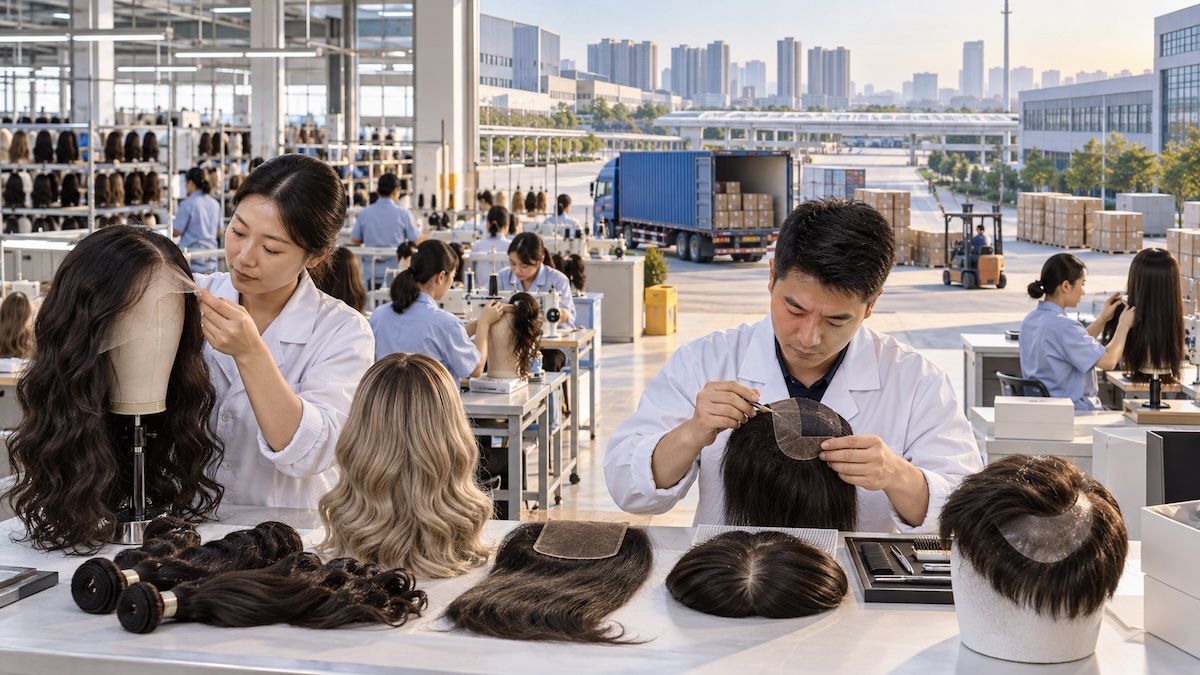
Large manufacturers
Export companies
Small processing workshops
Trading companies
Home-based producers
Private-label suppliers
Some sellers own factories, while others source products from several workshops. Buyers should confirm whether a supplier manufactures the product directly or acts as a trading company.
Before ordering, check:
Hair origin and processing history
Lace type and cap construction
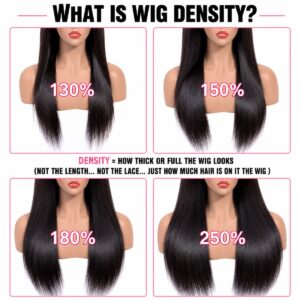
Actual length, weight and density
Shedding and tangling after washing
Quality consistency between units
Production time
Return and replacement terms
The size of the industrial cluster makes Xuchang an important sourcing destination, but supplier verification remains necessary.
What Small Wig Businesses Should Know
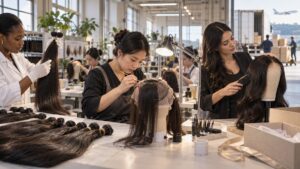
Xuchang’s scale creates access to many products, including synthetic wigs, human hair wigs, bundles, closures, toppers and men’s hair systems. It also provides supporting services such as packaging, testing, logistics and private labelling.
However, thousands of suppliers also mean significant differences in quality, price and reliability.
Small businesses should:
Order samples from more than one supplier.
Test the hair after washing and wearing.
Confirm whether quoted prices include packaging and shipping.
Compare production lead times, not just unit prices.
Keep written specifications for every order.
Avoid depending on a single supplier.
Track returns, repeat purchases and profit by SKU.
Industry-wide export figures can show where products are made, but they cannot tell you which supplier is right for your business.
Be Careful With Market-Share Claims
When a supplier or article presents a market-share figure, ask three questions:
Is it measuring export value, production volume or units sold?
Is the comparison with China or the global market?
Does it include wigs only, or also extensions, hairpieces and accessories?
Without these details, a percentage can be technically correct but still misleading.
The Bottom Line
The most defensible wording is:
Xuchang accounts for approximately half of China’s hair-product export value and around 60% of global wig supply.
For buyers, this shows that Xuchang is a major sourcing centre—not that every supplier offers the same quality.
For small wig businesses, supplier testing, product consistency and customer data are more useful than any industry-wide percentage.